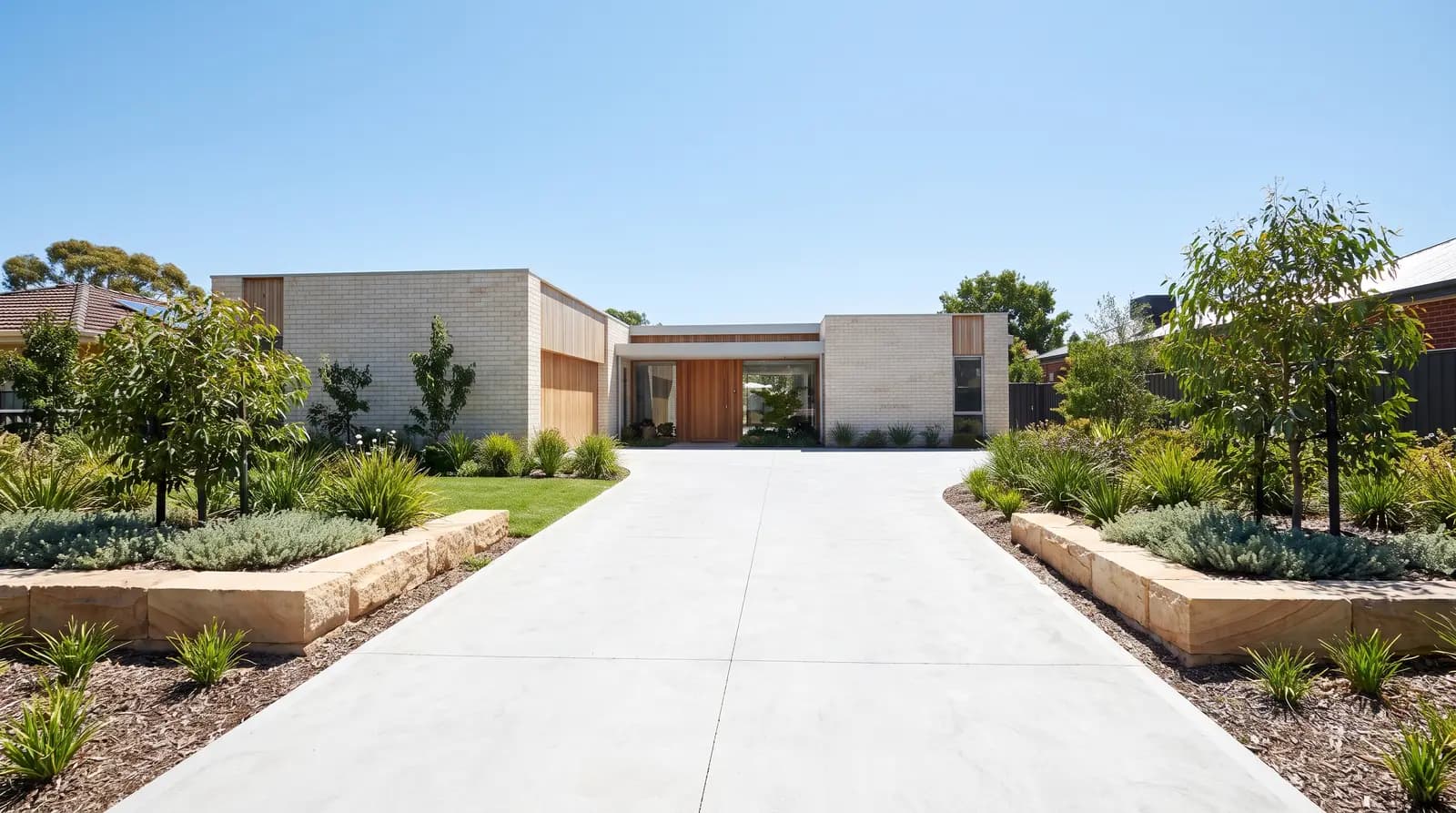
Cleaning Bluestone Paths and Heritage Paving
Bluestone paths and heritage paving need a gentler, controlled method, not maximum pressure. Old bluestone and lime-based mortar can etch, pit and lose material under a full-power blast, so operators use lower pressure, appropriate cleaners and careful technique to lift moss and grime without damaging the stone or the joints. This matters on North Adelaide's historic bluestone paths and older heritage properties. We connect you with vetted Adelaide operators experienced with heritage surfaces; we never do the work ourselves.
Key takeaways
- Bluestone and heritage paving need a gentler method, never maximum pressure.
- Too much pressure etches and pits the stone and blows out old lime mortar.
- Lower pressure, the right cleaners and careful technique lift growth without damage.
- This matters on North Adelaide's historic bluestone paths and older properties.
- We are a referral service connecting you with heritage-experienced operators, not a cleaning crew.
Why heritage stone is different
Bluestone is a hallmark of Adelaide's older suburbs, from the historic paths and building surrounds of North Adelaide to countless heritage villas and cottages. It is a beautiful, characterful stone, but it does not behave like a modern concrete slab under a pressure washer.
Older bluestone weathers, and the surface can be softer and more porous than it looks. Hit it with the full pressure you would use on plain concrete and you risk etching the face, pitting the stone, and stripping the patina that gives heritage paving its character. Damage to genuinely old stone is often irreversible.
The mortar is the other concern. Heritage paving is frequently set in soft, lime-based mortar that a high-pressure jet will blow straight out of the joints. Once the jointing is gone the paving destabilises, which turns a cosmetic clean into a repair job.
The gentler method that works
Cleaning heritage bluestone well is about restraint and chemistry rather than raw force. The aim is to lift moss, lichen and grime while leaving the stone and its joints intact, and that means dialling the pressure right down from what a concrete driveway would take.
Operators lean on appropriate cleaners to do the work, letting a treatment loosen organic growth so it can be rinsed at low pressure rather than blasted off. Technique matters too: keeping the nozzle further back, using a wider fan, and testing an inconspicuous area first before committing to the whole path.
- Use markedly lower pressure than plain concrete would take.
- Let a suitable cleaner loosen moss and lichen so low-pressure rinsing does the job.
- Keep the nozzle back and use a wide fan, never a pinpoint jet.
- Protect soft lime mortar joints from being blown out.
- Test a discreet area first to confirm the method suits the stone.
Matching the right operator
Heritage paving is not a job for whoever has the biggest machine. It calls for an operator who understands old stone and soft mortar, who reaches for a gentler method by instinct, and who knows when to test first rather than charge in. Getting the wrong person can permanently damage something that has lasted a century.
This is exactly why matching matters. When we vet operators for heritage and bluestone work, we look for that experience and that restraint, so a North Adelaide homeowner with historic paths is not paired with someone who only knows how to blast a suburban slab.
Tell us your suburb and describe the stone, and we will connect you with vetted operators who are comfortable with heritage surfaces and will treat old bluestone with the care it needs.