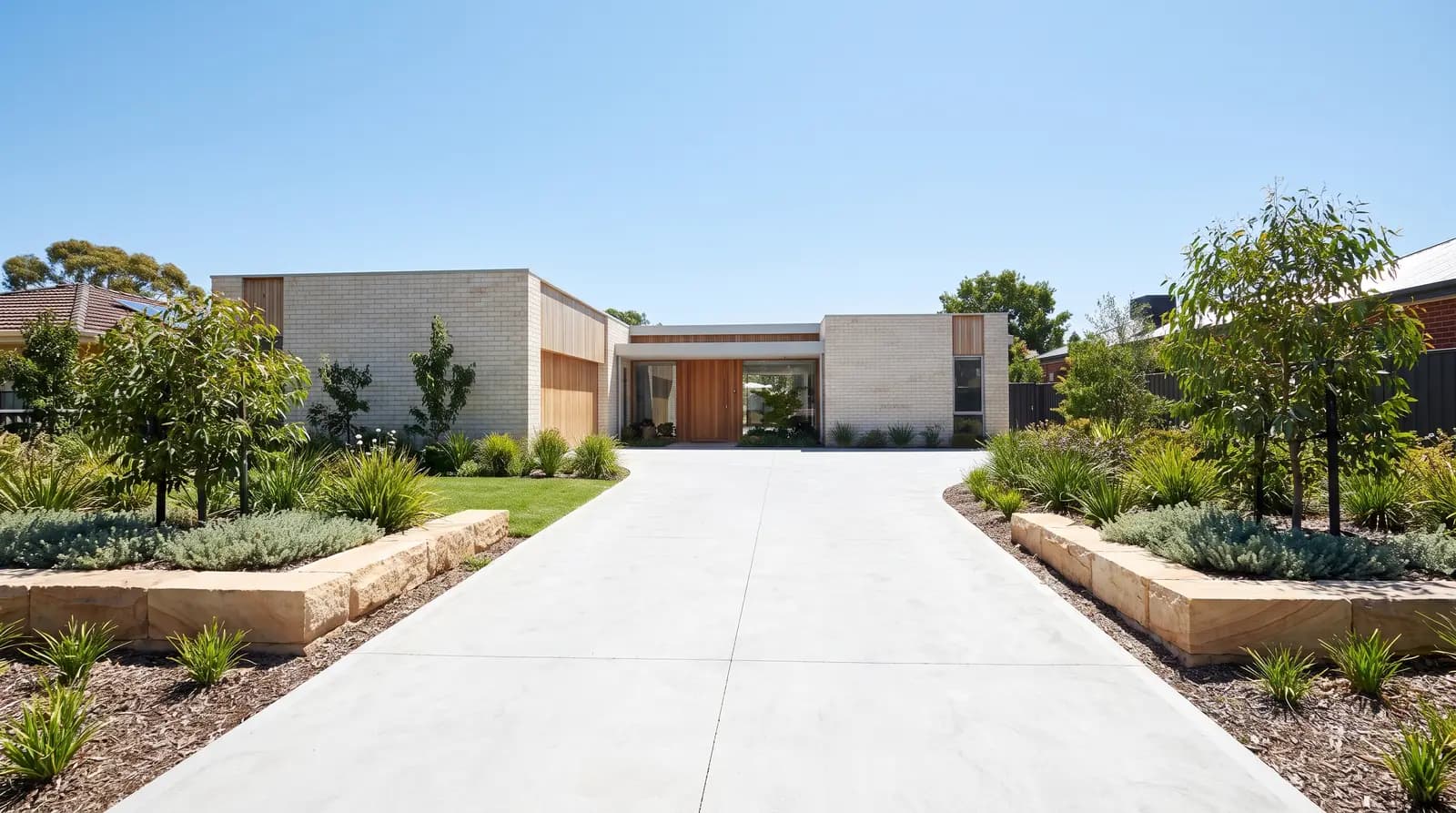
Cleaning and Resanding Paver Driveways and Paths
Cleaning paver driveways and paths with high pressure flushes the jointing sand out of the gaps, so resanding afterwards is part of the job, not an optional extra. Operators clean the pavers, let them dry, then sweep kiln-dried or polymeric sand into the joints to lock the pavers together and slow weed growth. Sealing on top is optional but resists staining and regrowth. We connect you with vetted Adelaide operators; we never do the work ourselves.
Key takeaways
- High-pressure cleaning washes jointing sand out from between pavers.
- Resanding is part of finishing the job, not an optional add-on.
- Kiln-dried or polymeric sand locks pavers together and slows weeds.
- Sealing is optional and resists staining and regrowth on top of resanding.
- We are a referral service connecting you with vetted operators, not a cleaning crew.
Why pavers always need resanding
Pavers are held in place partly by the fine sand packed into the joints between them. That jointing sand stops the pavers moving, sheds water, and blocks weed seeds from taking hold. It is doing a real structural job, not just filling a gap.
High-pressure cleaning, which is what actually shifts embedded grime, moss and lichen from paver surfaces, also flushes that jointing sand straight out. Walk on a freshly cleaned but un-resanded paved area and you will feel pavers rock and see open joints. Left like that, they loosen further, water pools, and weeds move in fast.
That is why resanding is not an upsell, it is finishing what the cleaning started. Any operator cleaning pavers should be resanding as standard, and a quote that leaves it out is not really a complete quote.
How the job runs
The sequence matters. The pavers are cleaned first, usually with a surface cleaner for an even finish and a pre-treatment for organic growth. Then the surface has to dry, because sand does not sweep cleanly into damp joints.
Once dry, sand is spread and swept into the joints, then vibrated or tamped so it settles fully rather than bridging and leaving hollow gaps. Excess is swept off. Which sand is used depends on the surface and the result you want.
- Clean the pavers, pre-treating moss and lichen first.
- Let the surface fully dry before resanding.
- Kiln-dried sand: cost-effective, easy to top up later.
- Polymeric sand: sets firmer, resists washout and weeds better, costs more.
- Sweep sand in, settle it, then clear the excess.
Sealing, cost and Adelaide conditions
Sealing pavers is the optional final step. It binds the surface, further resists weed and moss return, and protects against oil and tannin staining, which matters under Adelaide trees that drop leaf litter and sap. On a shaded or tree-lined paved driveway it can genuinely extend the time between cleans.
Cost-wise, a paved driveway sits in the usual bands, roughly $150 to $300 for a single and $250 to $500 for a double, with resanding factored in and sealing extra on top. Because resanding and sealing add labour and a return visit, always confirm what a paver quote includes before comparing it against another.
Tell us your suburb and paved area, and we will connect you with vetted operators who clean, resand and, if it is worth it, seal, and who quote the whole job clearly rather than hiding the resanding cost.