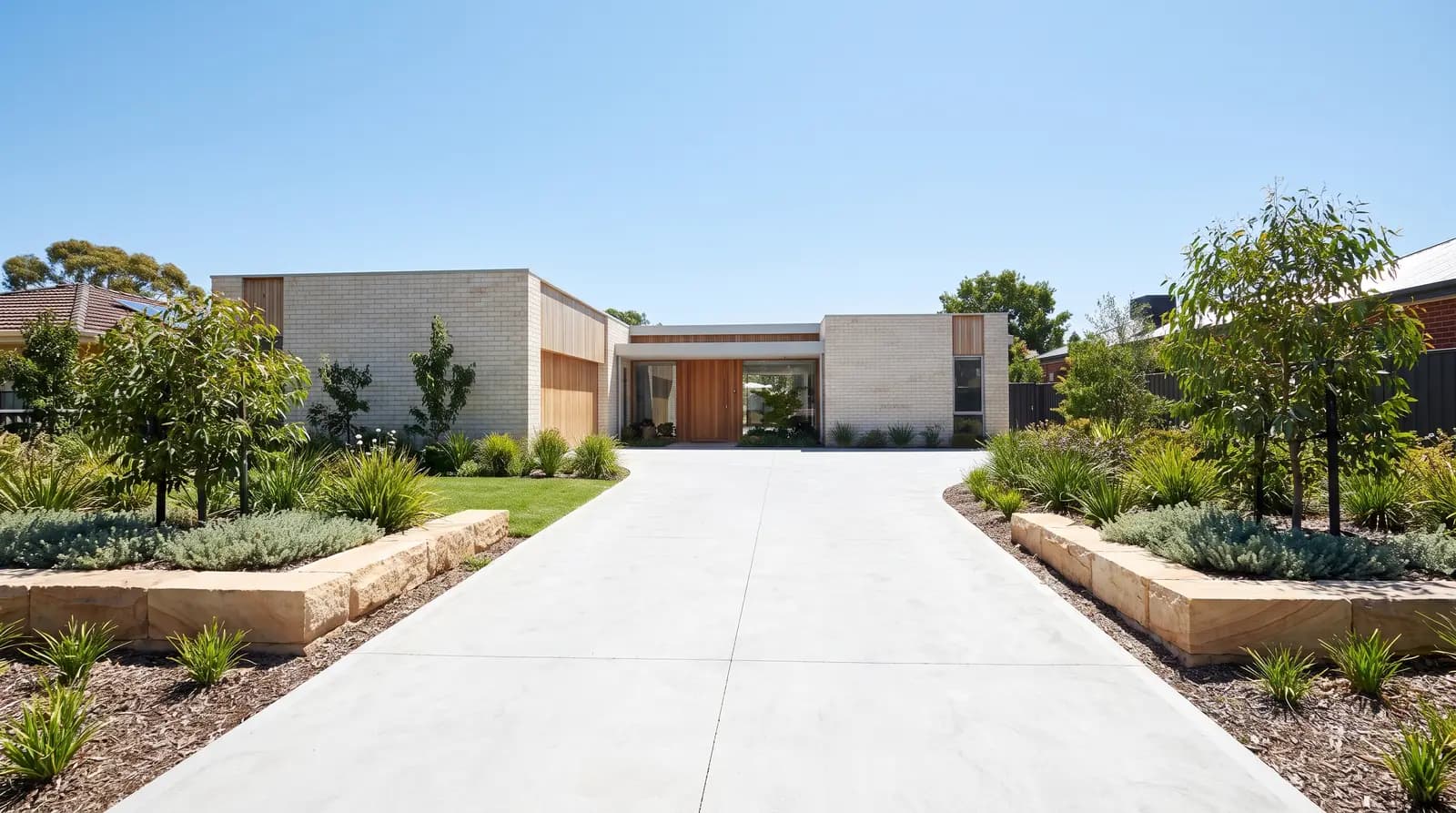
Removing Oil, Rust and Tyre Marks From a Driveway
Oil, rust and tyre marks are three different problems. Fresh oil is drawn out with a degreaser and hot water before pressure cleaning; deep old oil in porous concrete often lightens rather than vanishes. Rust needs a dedicated rust remover, not just pressure. Tyre marks respond to a degreaser and agitation. Honest operators tell you up front which stains will fully clear and which will only fade. We connect you with vetted Adelaide operators; we never do the work ourselves.
Key takeaways
- Oil, rust and tyre marks each need a different treatment, not one blast of pressure.
- Fresh oil lifts well with a degreaser; deep old oil in porous concrete may only lighten.
- Rust needs a purpose-made rust remover, since pressure alone will not shift it.
- Set realistic expectations: some old stains fade rather than disappear.
- We are a referral service connecting you with vetted operators, not a cleaning crew.
Oil: fresh versus deeply soaked
Oil is the stain homeowners ask about most, and the honest answer is that outcome depends heavily on how old and deep it is. Concrete is porous, so oil that has been sitting for years soaks well below the surface. Pressure cleaning shifts what is near the top, but it cannot always reach oil that has migrated deep into the slab.
The proper method is to draw the oil back out rather than just wash over it. A quality degreaser is worked into the stain and given time to lift the oil toward the surface, often with hot water, then the loosened oil is pressure-rinsed away. Stubborn stains may need the process repeated.
Even done well, deep old oil in porous concrete frequently lightens rather than disappears completely. That is not a failure of technique, it is the physics of a stain that has soaked deep into the material. A good operator tells you that before starting, so you are not disappointed by a realistic result.
Rust needs its own treatment
Rust marks, from a metal pot plant, a trailer, patio furniture or bore water, are a chemical stain, not a layer of dirt. No amount of pressure alone will remove them, and blasting harder just wastes time and risks the surface.
The fix is a dedicated rust remover, usually an oxalic or specialised acid-based product, applied to the stain, given dwell time to react, then rinsed. It is a different chemistry to a degreaser, which is why treating rust as if it were oil gets nowhere.
- Rust is a chemical stain that pressure alone will not lift.
- A purpose-made rust remover is applied and given time to react.
- Bore-water rust and fertiliser stains respond to the same treatment.
- The product must suit the surface, so it is a job for someone who knows the chemistry.
Tyre marks and setting expectations
Tyre marks are rubber and hot-tyre pickup transferred onto the surface, common where cars turn or brake in the same spot. They respond to a degreaser and some agitation, followed by pressure. They usually clear well, though a faint ghost can remain where the mark is old.
The theme across all three stains is honest expectation setting. Fresh contamination clears; deep, old, soaked-in staining often fades rather than vanishes. Any operator who promises a spotless result on a decade-old oil patch is overselling, and that is exactly the kind of overclaiming we screen out when we vet the operators we refer you to.
Tell us your suburb and what is staining the driveway, and we will connect you with vetted operators who treat each stain properly and are straight with you about the likely result.