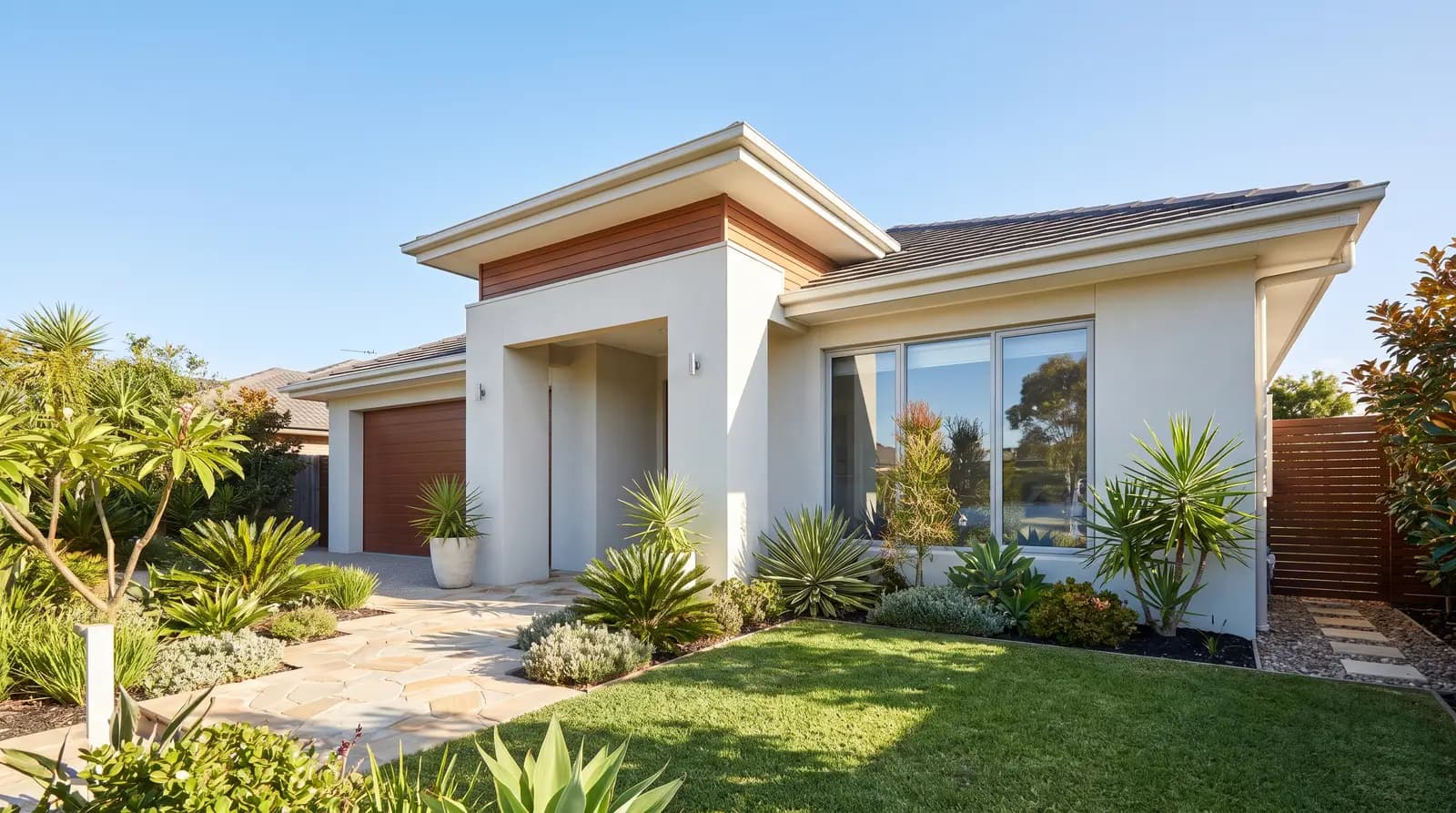
Cleaning Brick, Cladding and Weatherboard Homes
Brick, cladding and weatherboard all need soft washing rather than high-pressure blasting, but each needs a slightly different touch. Brick has open mortar lines that must not have water driven into them. Painted cladding and weatherboard rely on a paint film and sealed joints, so high pressure strips the paint and forces water behind the boards. The safe method for all three is a low-pressure cleaning treatment matched to the surface, killing algae at the root and rinsing gently.
Key takeaways
- None of these surfaces should be high-pressure blasted.
- Brick: keep water out of the mortar lines while lifting algae with a treatment.
- Painted cladding and weatherboard: gentle wash that respects the paint film and sealed joints.
- Water forced behind cladding causes rot and paint failure that no clean can fix.
- We connect you with vetted Adelaide operators who match the method to your wall, for free.
Brick and masonry: mind the mortar
Brick feels tough, and compared with render it is more forgiving. But the mortar lines between the bricks are the weak point. They are porous, and older mortar can be soft. Driving high-pressure water into those lines pushes moisture into the wall cavity and can wash out the mortar itself, and that is a repointing job you do not want.
The right approach on brick is a low-pressure soft wash with a treatment that lifts algae, moss and grime from the face of the brick and out of the mortar lines without blasting water into the wall. Face brick around Adelaide, especially older red brick on shaded southern walls, greens up with algae, and a treatment clears it far better and for far longer than a blast that just wets the surface.
Painted cladding and weatherboard: respect the paint film
Cladding and weatherboard are the surfaces where high pressure does the most obvious damage, because everything depends on an intact paint film and sealed joints. The paint is what keeps water out of the board. Blast it and you strip and lift the paint, exposing the material underneath and undoing the very thing protecting the wall.
Worse is what happens at the joints. Weatherboard and cladding overlap and rely on those overlaps and seals to shed water outward. High pressure drives water backward, up under the boards and behind the cladding, where it cannot drain. That trapped moisture rots timber, swells composite boards and causes paint to bubble and peel from behind months later. The clean looks fine on the day and the damage shows up later.
The correct method is a gentle soft wash: a treatment that kills the algae and lifts the grime, applied and rinsed at low pressure that the paint film and joints can handle. It cleans the surface without ever driving water where it should not go.
Matching the method to the wall
A good operator does not treat a whole house as one surface. They read the materials and adjust. The unifying rule is low pressure and let the treatment work, but the detail differs by surface.
- Face brick: low-pressure treatment, keep water out of the mortar, clear algae from the face and joints.
- Painted weatherboard: gentle wash tuned to the paint film, careful around overlaps and seals.
- Fibre cement and composite cladding: soft wash suited to the coating, attention to sheet joints.
- Mixed exteriors: brick base with clad upper floors is common in Adelaide and needs both approaches in one job.
Finding the right operator in Adelaide
The operator who asks what your walls are made of before quoting is the one to trust. Matching the method to the material is the whole skill, and it is what separates a clean that protects your home from one that quietly damages it.
We connect Adelaide homeowners with vetted operators who know the difference between brick, cladding and weatherboard and treat each correctly. It costs you nothing because operators pay us per referral. Start with a free quote and we will match you with a specialist who cleans your walls the safe way.